


The ₹40 Lakh Crore Blueprint: Why NMP 2.0 Is the Ultimate Infrastructure Play
A Structural Shift in India’s Infrastructure Economy
This week, the Government of India unveiled the second phase of the National Monetisation Pipeline (NMP 2.0). While daily headlines remain focused on market volatility and geopolitical shifts, institutional investors are focused on something far more structural.
NMP 2.0 represents one of the largest structured monetisation initiatives in global infrastructure history.
With over 2,000 brownfield assets across 12 ministries expected to be leased to private operators, policy think tanks estimate a potential macroeconomic impact of nearly ₹40 lakh crore over the next decade.
According to Upalapadu Pratakota Shiva Prasad Reddy, Chairman of Premidis Group, this is not merely a fiscal strategy. It is a capital reallocation mechanism that fundamentally reshapes infrastructure ownership models in India.
“The highest risk in infrastructure lies in the construction phase — land acquisition delays, regulatory hurdles, and cost escalation. NMP 2.0 removes that layer of uncertainty. What is being offered are operational, revenue-generating assets.”
The opportunity is not speculative.
It is operational.
Understanding the Capital Recycling Arbitrage
At its core, NMP 2.0 is about capital recycling.
The government monetises mature, income-producing public assets through long-term concession models such as:
- Toll-Operate-Transfer (TOT)
- Infrastructure Investment Trusts (InvITs)
- Long-term lease concessions
In return, the state unlocks liquidity to fund new greenfield infrastructure.
For private operators, the arbitrage works differently:
- Acquire operational assets with proven cash flow
- Improve operational efficiency
- Enhance yield margins
- Use predictable income streams to finance new expansion
This reduces execution risk while preserving growth potential.
Where the Immediate Yield Opportunities Lie
1. Highways and Logistics Corridors
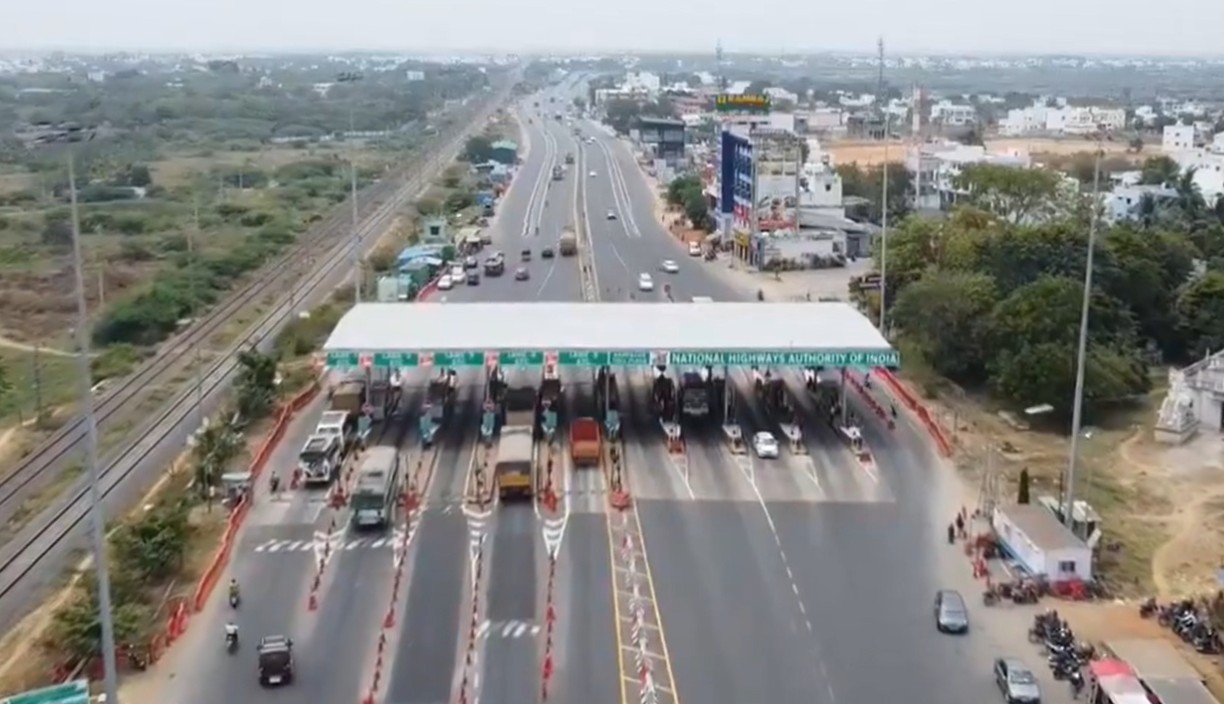
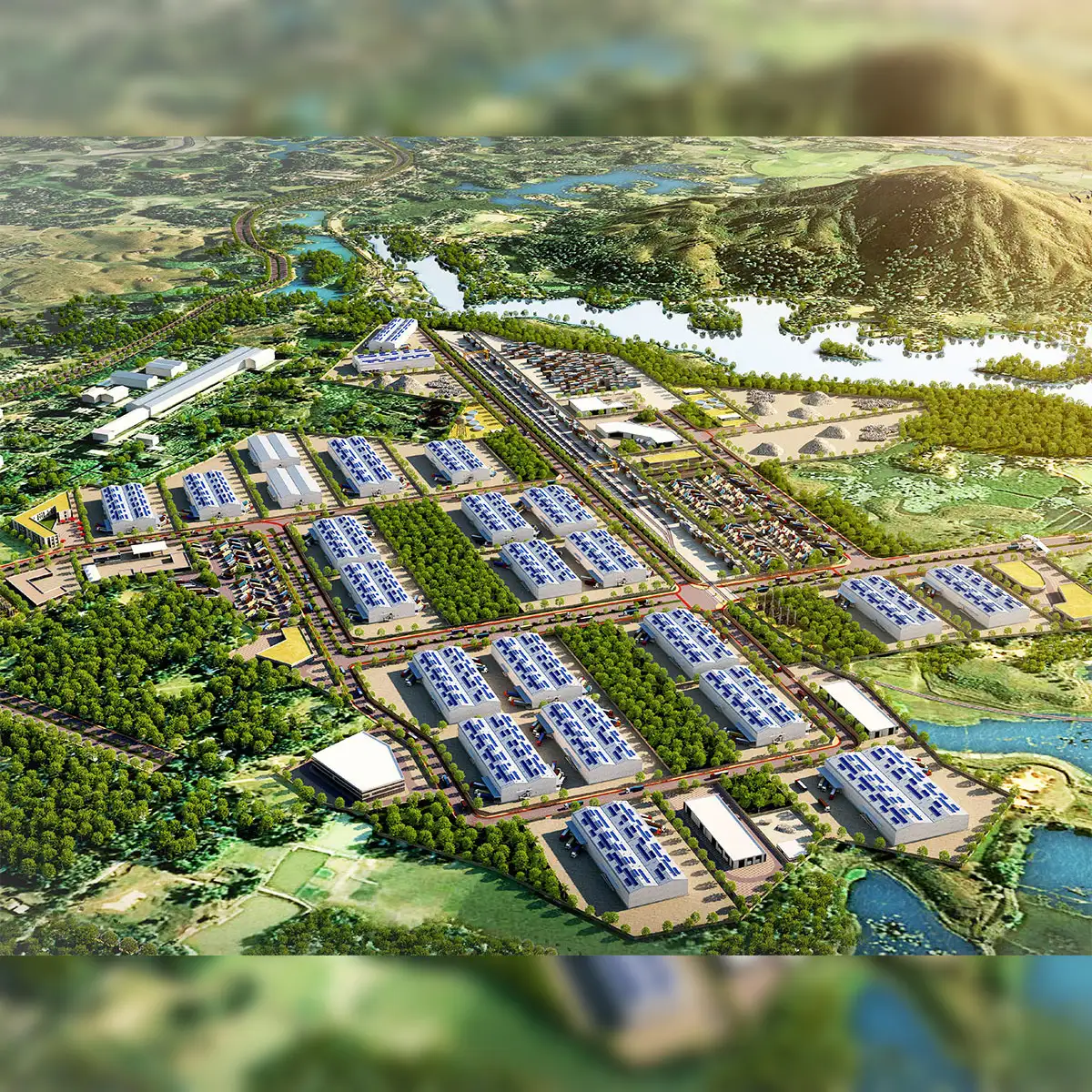
Road infrastructure remains the crown jewel of the monetisation pipeline.
Projected monetisation value: ₹4.42 lakh crore.
Highway assets under TOT models already have:
- Established traffic density
- Historical toll collection data
- Predictable maintenance patterns
This removes traffic demand speculation.
According to Upalapadu Pratakota Shiva Prasad Reddy:
“When traffic patterns are already established, the risk profile changes dramatically. Efficiency improvements in digital tolling, automated surveillance, and logistics integration can materially increase margins.”
In addition, integration with Multi-Modal Logistics Parks (MMLPs) creates vertical revenue expansion through warehousing, cold storage, and freight handling.
The opportunity is not merely toll income — it is corridor ecosystem monetisation.
2. Power Transmission and Renewable Grid Assets



India’s 500 GW renewable energy target dramatically increases the strategic importance of transmission infrastructure.
Estimated monetisation target in power: ₹2.76 lakh crore.
Transmission assets are particularly attractive because:
- They operate under regulated return frameworks
- Revenue visibility is long-term
- Demand is structurally rising
These characteristics make them highly attractive to:
- Pension funds
- Sovereign wealth funds
- Infrastructure private equity
Mr. Reddy emphasizes a partnership model:
“Domestic developers can structure joint ventures with global capital. Foreign investors provide low-cost funding, while local operators deliver execution and compliance management.”
This creates a stable management-fee-plus-yield model for domestic infrastructure firms.
3. Railway Freight and Cargo Terminals
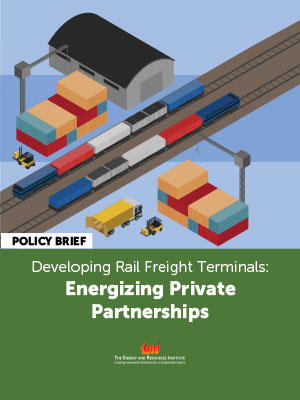

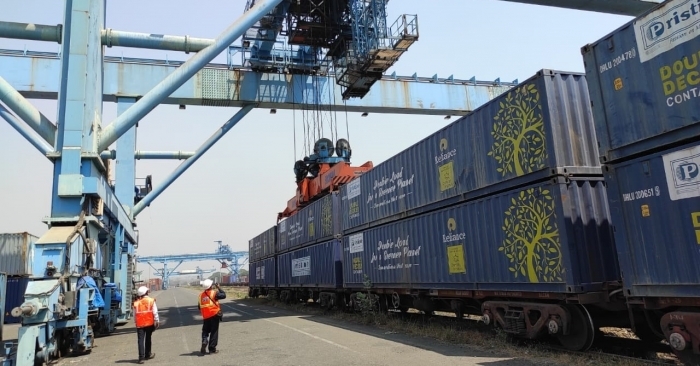
The opening of railway cargo terminals to private concessionaires is one of the most under-discussed opportunities within NMP 2.0.
Rail-based freight provides:
- Lower long-haul cost per ton
- Reduced fuel exposure
- Greater bulk capacity
For logistics operators and industrial park developers, operating railway terminals creates a dual revenue engine:
- Reduced internal transport costs
- Premium third-party cargo handling fees
This integrated control over logistics flows increases overall margin efficiency across the supply chain.
Why Brownfield Beats Greenfield in This Cycle
Greenfield infrastructure development typically involves:
- Land aggregation risk
- Environmental clearance delays
- Construction cost escalation
- Multi-year revenue lag
Brownfield acquisition under NMP 2.0 avoids most of these variables.
The assets are:
- Built
- Operational
- Cash-generating
This transforms infrastructure from a speculative growth bet into a yield-oriented platform.
The shift aligns with a broader global trend where capital increasingly prefers de-risked infrastructure exposure over early-stage development risk.
Strategic Implications for Domestic Capital
Upalapadu Pratakota Shiva Prasad Reddy views NMP 2.0 as a structural pivot moment.
“The next decade will not reward only those who build assets. It will reward those who strategically acquire and optimise them.”
Key strategic priorities include:
- Building bid consortium capabilities
- Strengthening balance sheets for concession financing
- Forming international capital partnerships
- Enhancing operational efficiency through technology
The objective is not just asset acquisition.
It is yield enhancement.
Conclusion: Don’t Build It First — Acquire the Yield
The government has already executed the capital-intensive construction phase across highways, rail corridors, and energy grids.
NMP 2.0 transfers the operational upside to private players willing to optimize and scale.
In an environment where global capital is searching for stable yield platforms, operational Indian infrastructure offers a compelling proposition.
For domestic developers and infrastructure firms, the strategy is clear:
- Target brownfield assets
- Optimize performance
- Leverage stable cash flow
- Recycle capital into expansion
The ₹40 lakh crore blueprint is not a short-term announcement.
It is a decade-long structural opportunity.
About the Author
Upalapadu Pratakota Shiva Prasad Reddy is Chairman of Premidis Group, specializing in aligning national infrastructure policy frameworks with commercial real estate and heavy industrial development strategies.
