


The ₹12.2 Trillion Question—Who Builds the Builders?
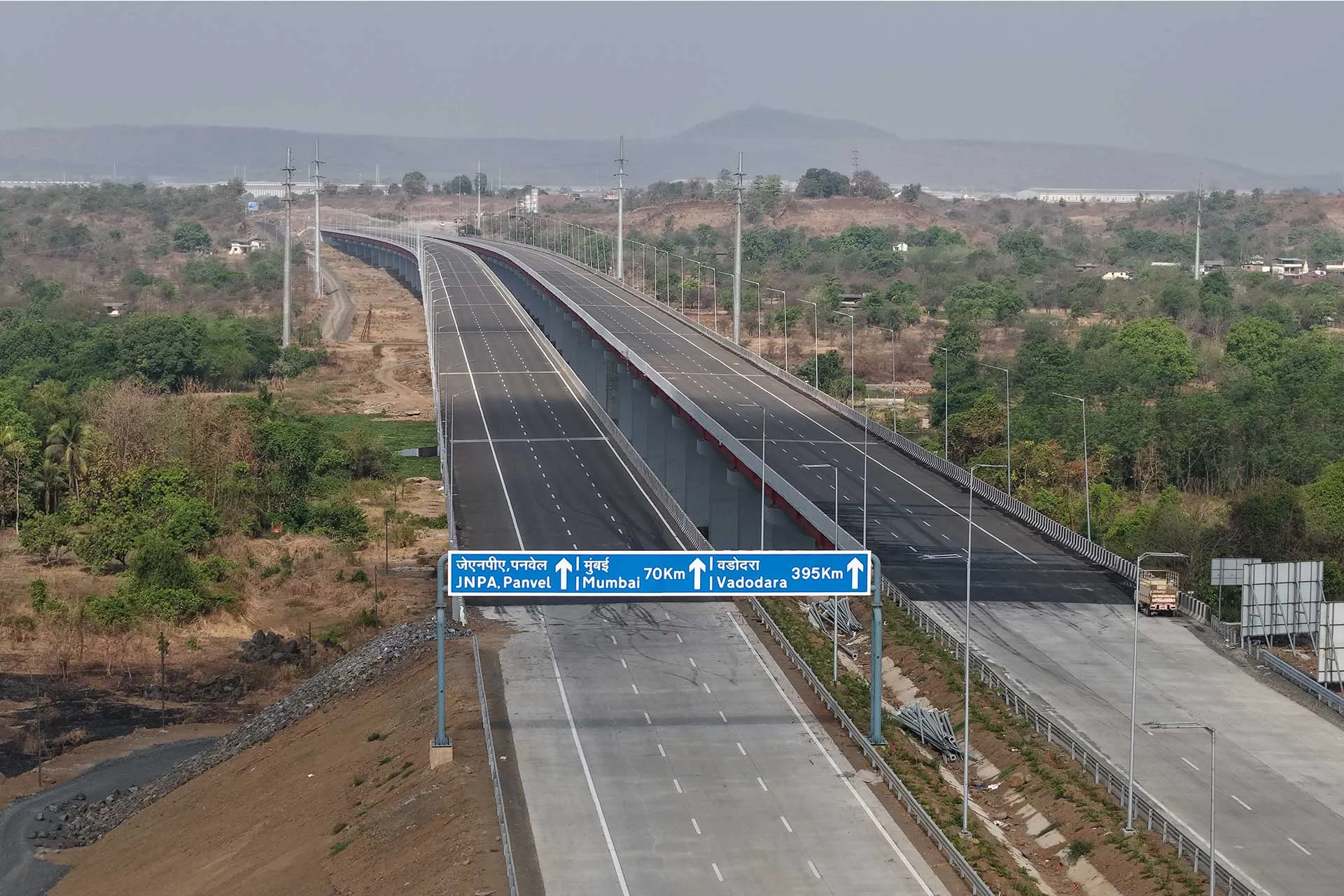
India is currently witnessing one of the most aggressive infrastructure expansions in its economic history. As outlined in the latest Union Budget, public capital expenditure has been scaled up to ₹12.2 Trillion (₹12.2 Lakh Crore), representing 4.4% of GDP—a benchmark that firmly establishes infrastructure as the backbone of national growth.
From high-speed rail corridors and logistics parks to newly proposed City Economic Regions (CERs) across emerging urban clusters, capital is flowing at historic speed. Yet, according to Upalapadu Pratakota Shiva Prasad Reddy, Chairman of Premidis Group, the real opportunity lies beneath the surface of these projects.
“We are building world-class infrastructure,” says Upalapadu Pratakota Shiva Prasad Reddy, “but we are still importing the very machines required to construct it. That is where profit is leaking.”
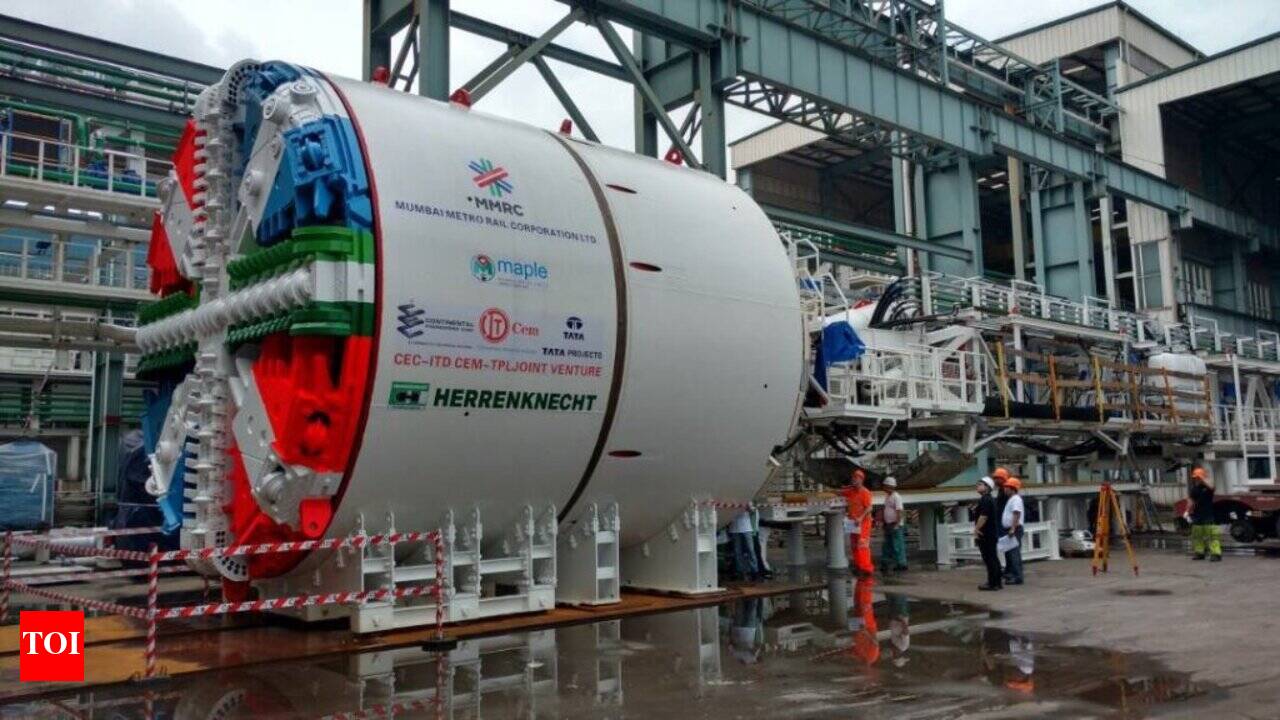
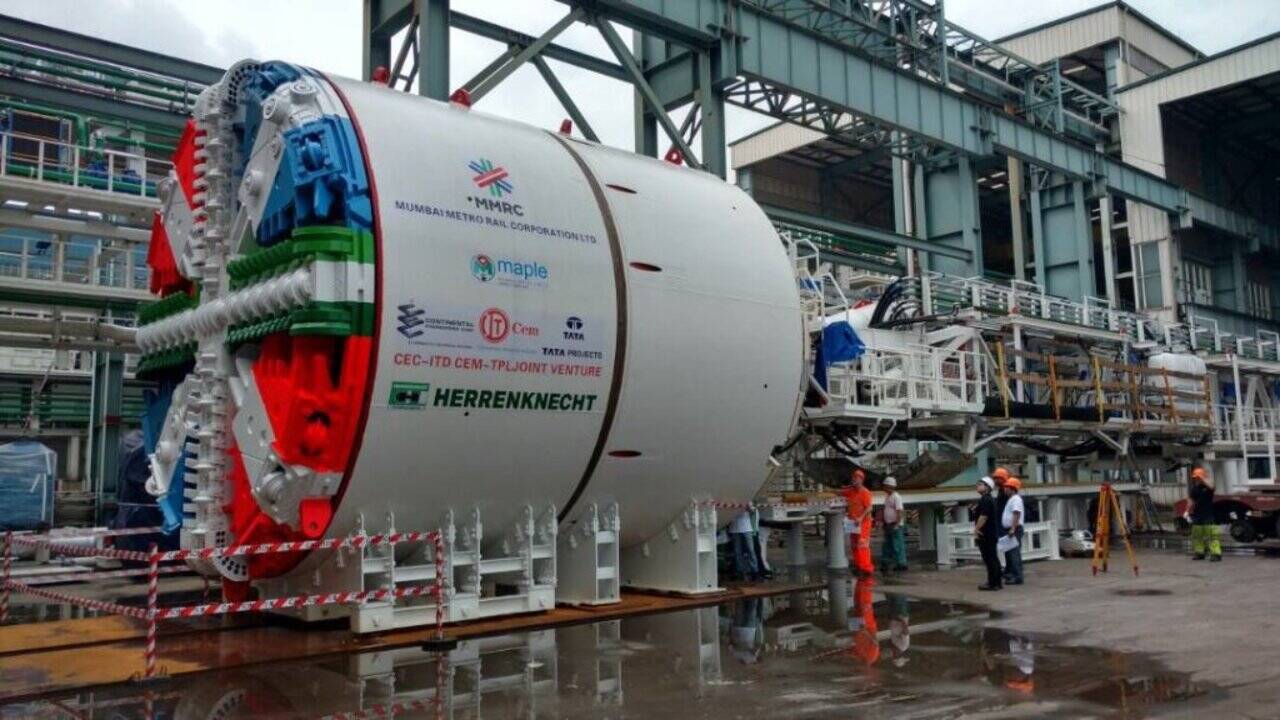
Tunnel Boring Machines (TBMs), advanced hydraulic systems, intelligent fire safety infrastructure, and heavy earthmovers are often sourced internationally. While the roads and bridges may be domestic, the value chain behind them frequently is not.
This structural dependency creates a paradox: India funds infrastructure at scale, but margins quietly flow overseas.
The strategic question is no longer who builds the roads, but who builds the builders?
The CIE Scheme: A Structural Shift in Heavy Industry
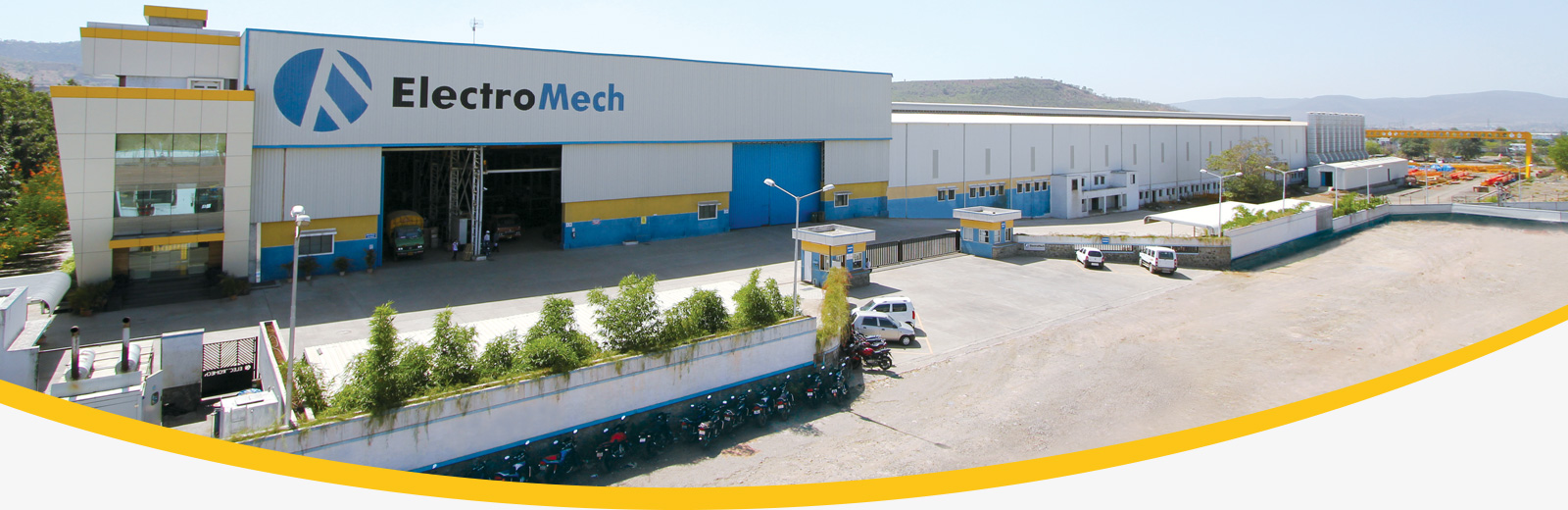
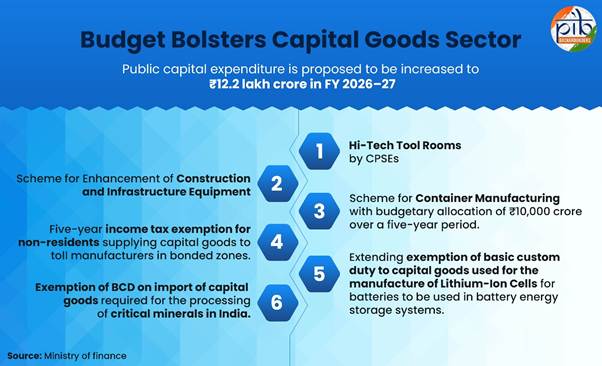
To address this imbalance, the government introduced the Scheme for Enhancement of Construction and Infrastructure Equipment (CIE)—a framework designed to stimulate domestic manufacturing of technologically advanced heavy equipment.
This policy marks a significant industrial pivot.
Rather than focusing solely on civil execution, India is now incentivizing the creation of high-precision construction machinery domestically. A crucial component of this ecosystem is the establishment of “Hi-Tech Tool Rooms” under Central Public Sector Enterprises (CPSEs). These digitally enabled centers will provide:
- Precision prototyping
- Component testing
- Advanced CNC manufacturing access
- MSME incubation support
Upalapadu Pratakota Shiva Prasad Reddy views this as a generational opportunity.
“Precision engineering is the new concrete. The real alpha is in manufacturing the hydraulic systems, sensor assemblies, and automation modules that power infrastructure equipment.”
For industrial investors, this signals a decisive transition from traditional contracting margins to high-tech manufacturing margins.
3 Smart Infra Profit Secrets for 2026
1. The “CIE Manufacturing” Pivot
Historically, infrastructure profit was tied to land acquisition, labor efficiency, and project execution speed.
That equation has changed.
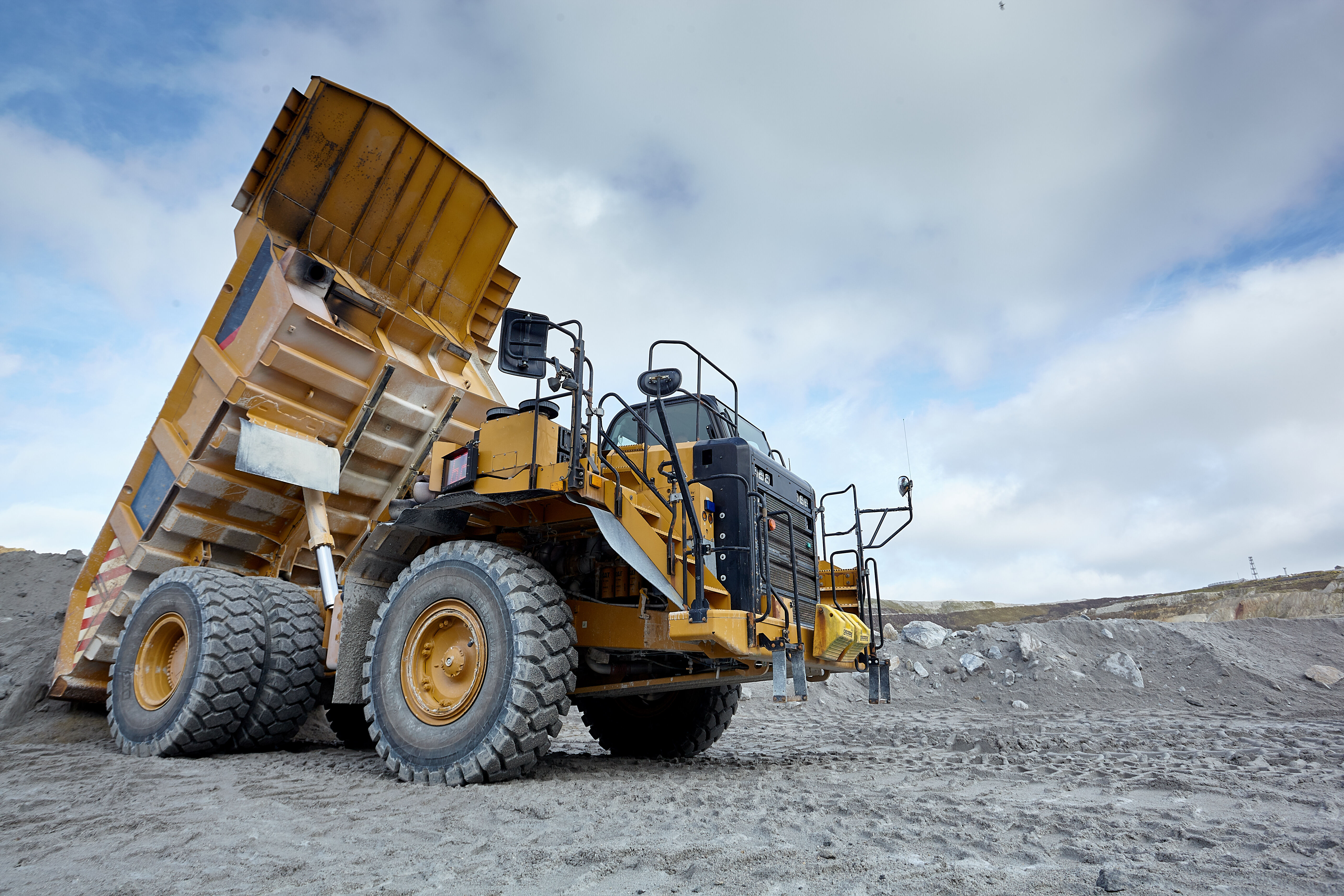
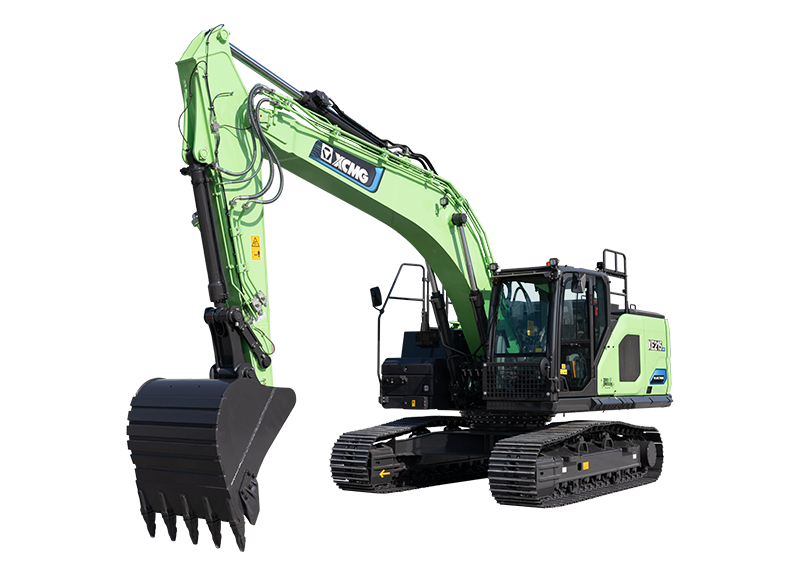
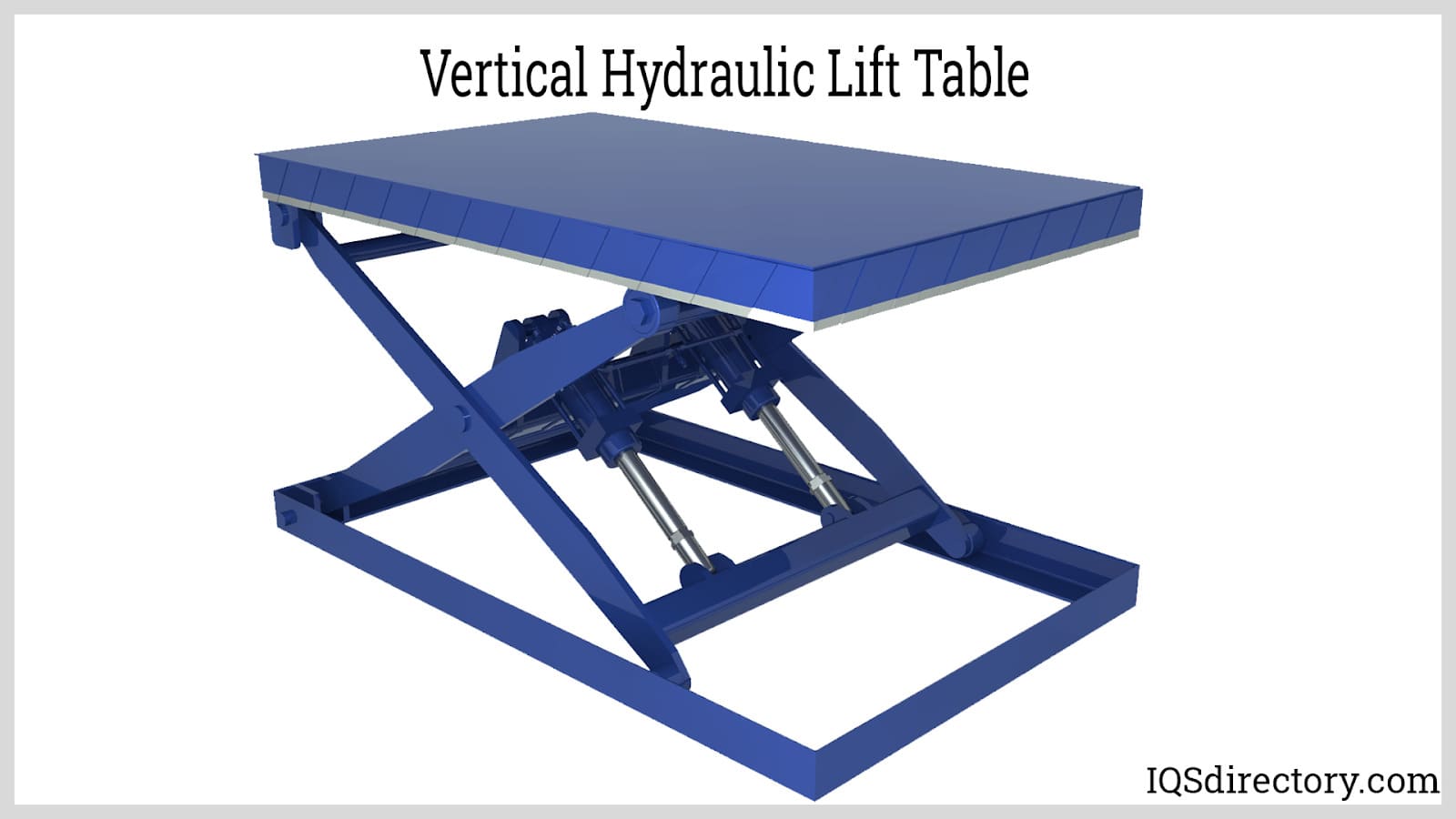
Today’s infrastructure is increasingly automated, sensor-enabled, and digitally integrated. Electric-powered earthmovers, AI-assisted cranes, advanced hydraulic lifts, and precision tunneling gear represent the future.
Companies that pivot from low-margin fabrication to specialized component manufacturing—hydraulic systems, electronic control modules, smart safety integrations—stand to capture exponential upside.
Indian MSMEs that transition from basic automotive components to high-value infrastructure equipment parts will embed themselves into a multi-decade supply chain.
As Upalapadu Pratakota Shiva Prasad Reddy explains:
“The highest margins are no longer in laying asphalt. They are in engineering the machines that lay it.”
2. Tier-2 City InvIT Monetization Strategy
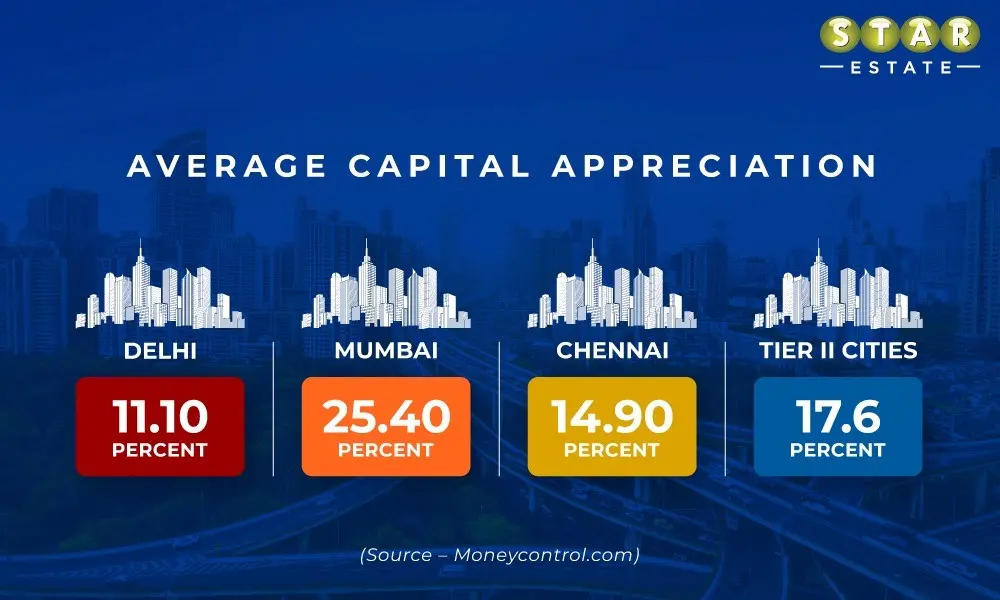
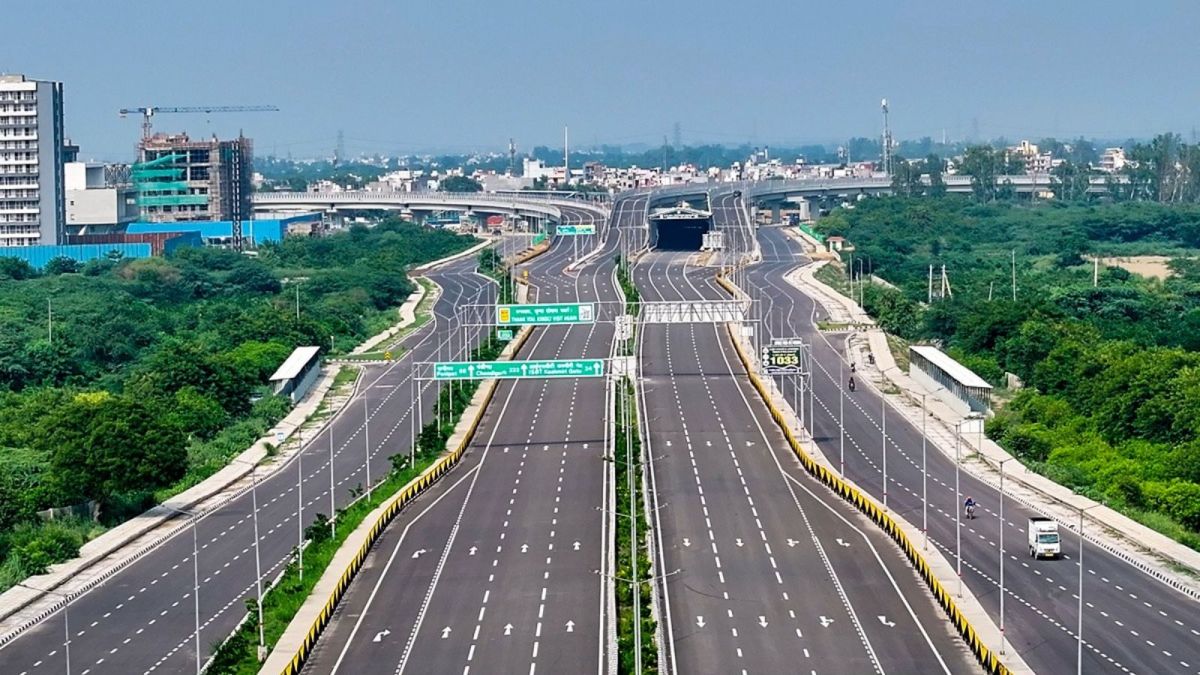
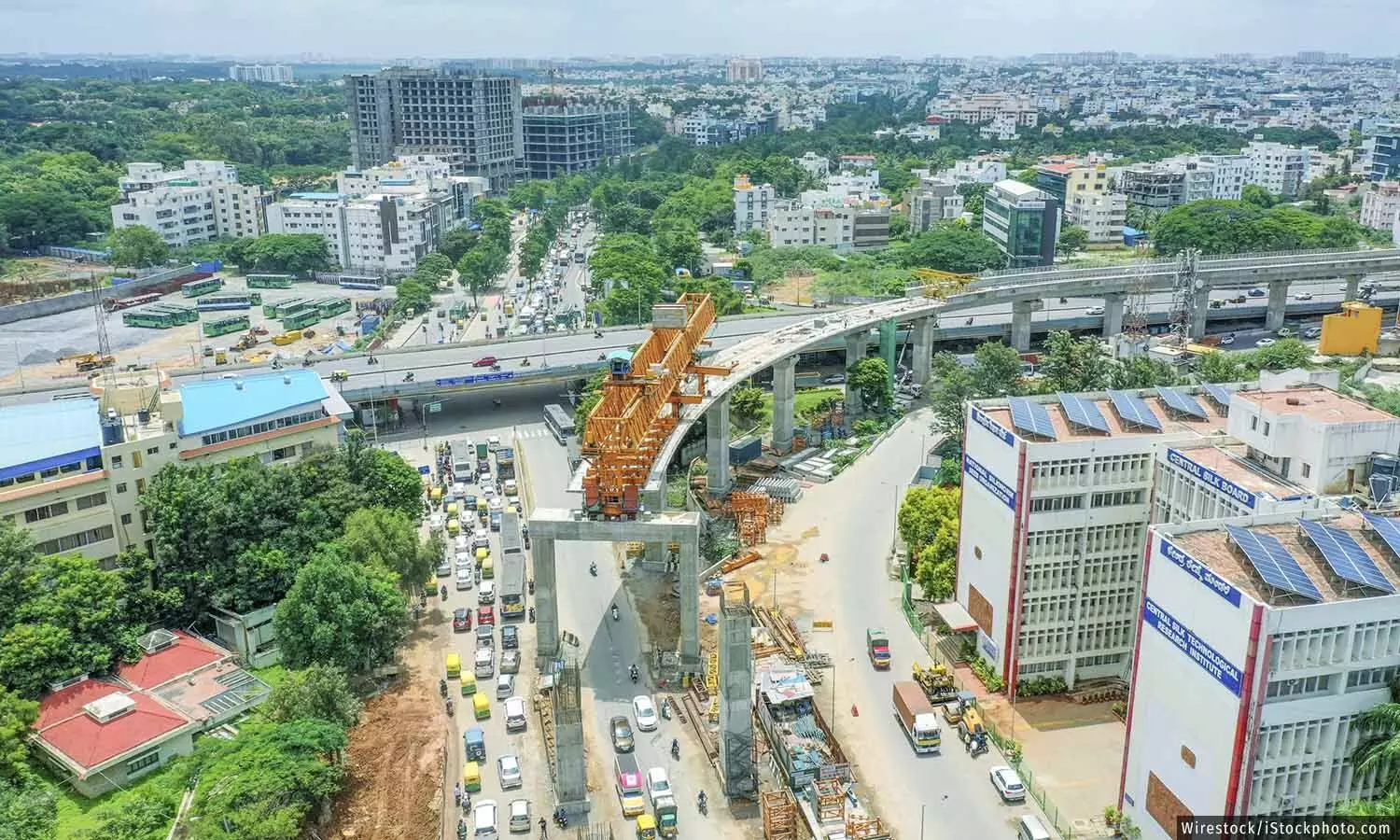
A major structural shift in the 2026 economic direction is the emphasis on Tier-2 and emerging urban corridors. Development is no longer confined to mega metros. Capital allocation is flowing toward mid-sized growth clusters with high industrial potential.
However, the execution model must evolve.
Traditional developers often struggle with capital lock-in. Projects stretch timelines. Debt compounds. Liquidity tightens.
The smarter approach? Monetization through Infrastructure Investment Trusts (InvITs).
InvITs allow developers to:
- Transfer completed revenue-generating assets
- Unlock immediate capital
- Reduce debt exposure
- Reinvest into new projects
“Developers who combine execution with financial recycling will scale three times faster than traditional contractors,” says Upalapadu Pratakota Shiva Prasad Reddy.
In essence, build, monetize, reinvest—repeat.
The growth opportunity in Tier-2 infrastructure is not just about building more. It is about capital velocity.
3. The “Rare Earth” Infrastructure Synergy

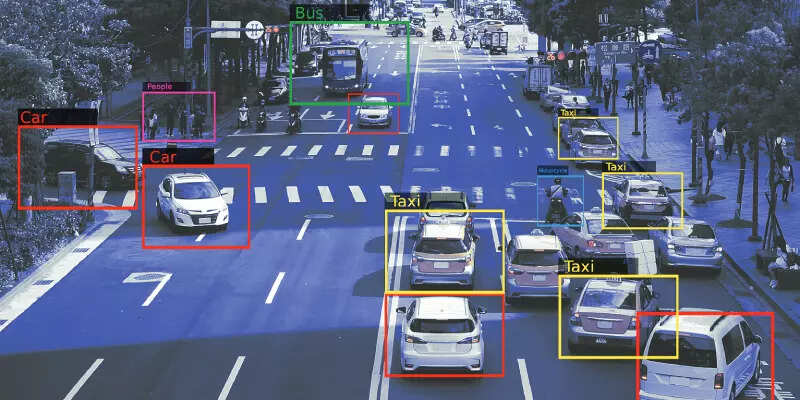
Modern infrastructure is no longer mechanical—it is electric and digital.
Electric construction equipment, smart-city sensors, automated lifts, renewable energy grids, and intelligent transport systems rely heavily on rare earth permanent magnets and advanced electronic assemblies.
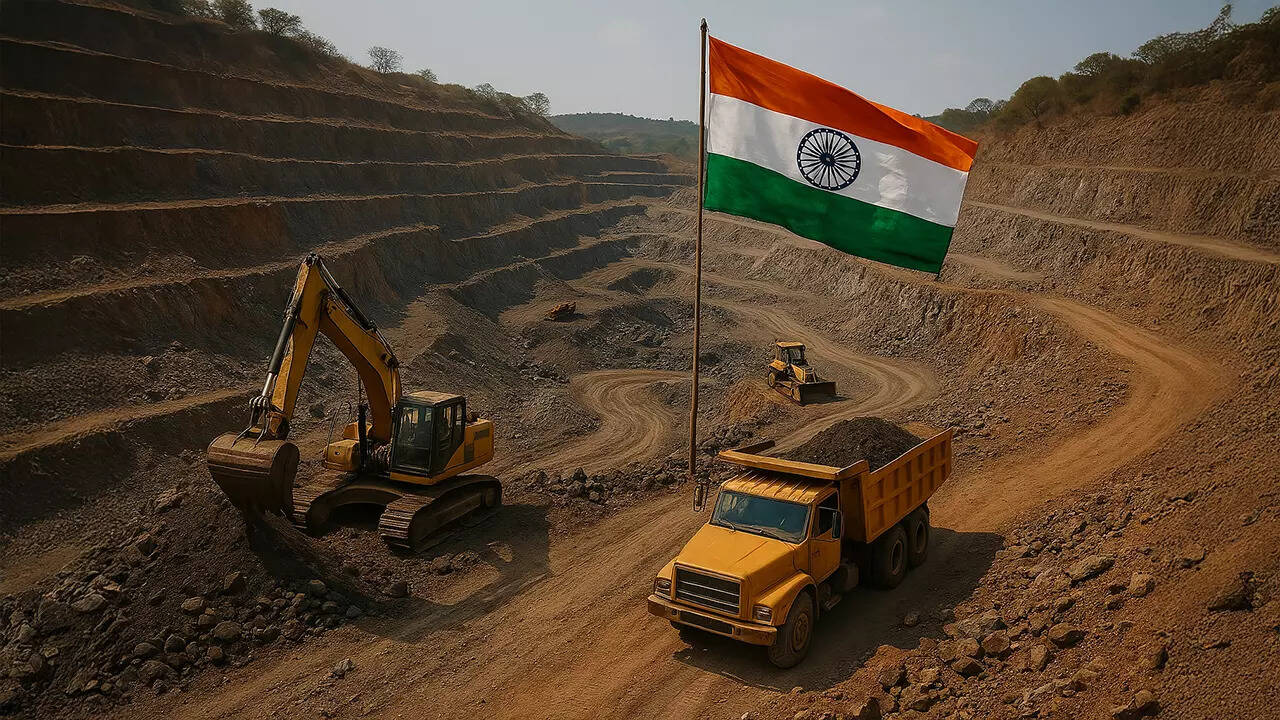
Domestic rare earth corridors and mineral clusters are emerging as strategic anchors in this ecosystem.
Why does this matter?
Because supply chain shocks, global trade volatility, and currency fluctuations directly impact imported components. Industrial players that localize production and align manufacturing hubs near rare earth supply bases gain structural insulation.
Upalapadu Pratakota Shiva Prasad Reddy emphasizes:
“Infrastructure in 2030 will be electric and automated. Companies that secure raw materials and integrate upstream supply chains today will dominate tomorrow.”
This is not merely about mining. It is about vertical integration.
Conclusion: The Builders of Builders
India’s ₹12.2 Trillion capital expenditure is not simply a funding allocation for roads and bridges. It is a national mandate to industrialize heavy equipment, precision engineering, and advanced manufacturing.
The surface opportunity lies in civil construction.
The deeper opportunity lies in manufacturing ecosystems, capital recycling structures, and strategic resource alignment.
Upalapadu Pratakota Shiva Prasad Reddy positions Premidis Group at the intersection of these three shifts:
- CIE-driven precision manufacturing
- Tier-2 asset monetization through InvIT frameworks
- Rare earth–backed industrial integration
The policy architecture is active. The capital pipeline is open.
The decisive question for investors and industrialists is clear:
Are you competing for contracts—or are you empowering the builders?
About the Author
Upalapadu Pratakota Shiva Prasad Reddy is the Chairman of Premidis Group, focusing on bridging heavy industrial infrastructure with high-tech domestic manufacturing ecosystems and long-term capital strategy.
