

Introduction
What separates a manager from a true leader? It is not a job title or years of experience — it is a mindset. Great leaders make thoughtful decisions, inspire the people around them, and build systems that outlast their presence.
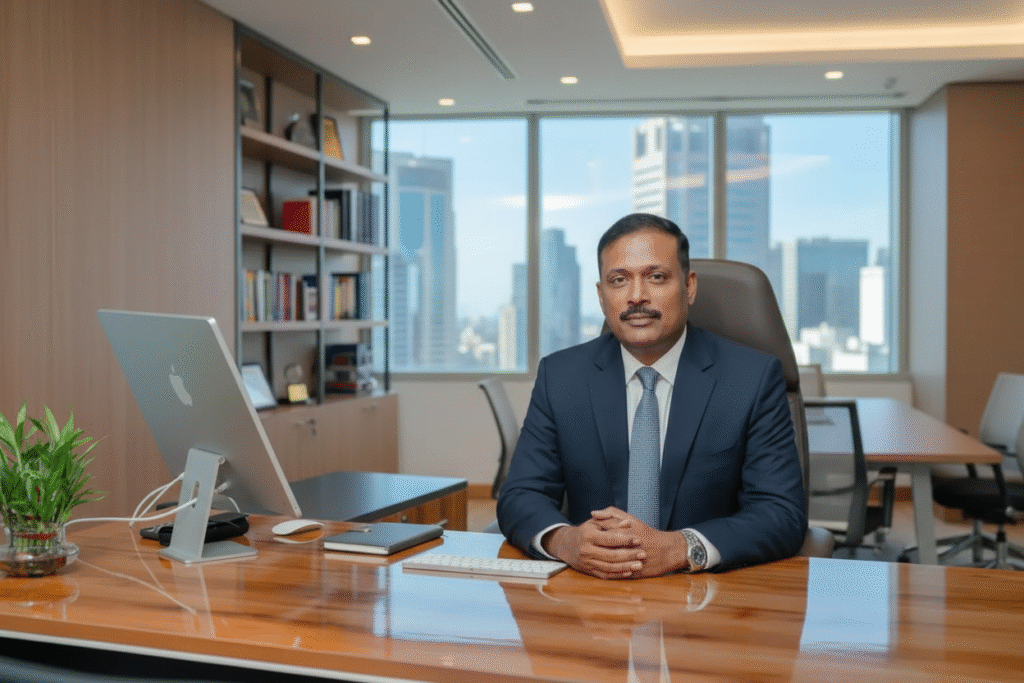
One name that is generating attention in leadership circles is Uppalapadu Prathakota Shiva Prasad Reddy, known for a practical, future-focused approach to leadership that is both accessible and results-driven. His methods are not built on complex theories — they are grounded in five clear principles that anyone can apply.
Whether you are a student, a team lead, a business owner, or a manager, these lessons offer a simple roadmap for becoming a more effective leader.
Lesson 1: Always Think About the Future
Reactive leaders put out fires. Proactive leaders prevent them. One of the most powerful habits Shiva Prasad Reddy demonstrates is the discipline of thinking ahead — not just about the next quarter, but about the next year and beyond.
Future-focused leaders ask:
• What challenges could emerge in the next 6–12 months?
• How do today’s decisions affect tomorrow’s outcomes?
• What investments should we make now to avoid bigger problems later?
This forward-thinking habit allows leaders to stay ahead of problems rather than scrambling to respond to them. Planning is not about predicting the future perfectly — it is about being prepared for multiple possibilities.
Key Takeaway: Set a clear long-term goal, then reverse-engineer the steps to get there. Do not wait for problems to arrive before you start planning
Lesson 2: Take Time to Make the Right Decisions
Speed is celebrated in modern business culture, but rushed decisions are often costly ones. Reddy’s leadership model emphasises careful, deliberate decision-making — especially when the stakes are high.
Before making an important decision, strong leaders:
• Gather relevant information from multiple sources
• Weigh the short-term and long-term risks
• Consult team members or advisors with relevant expertise
• Consider what happens if they are wrong — and have a fallback plan
This does not mean being slow or indecisive. It means not confusing urgency with importance. Many decisions that feel urgent are not actually time-critical, and pausing for 24–48 hours of reflection can lead to dramatically better outcomes.
Key Takeaway: Resist pressure to decide quickly unless necessary. Clarity comes from thoughtful analysis, not speed.
Lesson 3: Be Ready to Change
The world is evolving faster than ever. Technologies, markets, and expectations shift constantly. Leaders who resist change do not just fall behind — they become irrelevant.
Shiva Prasad Reddy demonstrates that flexibility is not a weakness — it is a strategic strength. Being adaptable means you can shift your approach when circumstances change without losing sight of your core purpose.
Adaptable leaders:
• Embrace new tools, methods, and ideas rather than dismissing them
• Revisit their own assumptions regularly
• Respond quickly when a current strategy is not working
• Create cultures where change is seen as growth, not disruption
Key Takeaway: Stay committed to your goals but remain flexible in how you achieve them. Adaptability is a competitive advantage.
Lesson 4: Focus on Long-Term Results
Quick wins feel good, but they can be deceptive. A decision that delivers fast results sometimes causes larger problems down the line. Reddy’s leadership consistently prioritises sustainable success over short-term performance.
Long-term focused leaders invest in:
• Building trust with their team and stakeholders over time
• Creating scalable systems and processes — not just solving today’s problem
• Developing people, not just deploying them
• Making decisions that their future selves will thank them for
The most lasting organisations and careers are built through steady, intentional progress — not bursts of frantic activity followed by burnout.
Key Takeaway: Resist the temptation of shortcuts. Build things that last, and the results will compound over time.
Lesson 5: Work Together with Your Team
No leader achieves great things in isolation. The best outcomes happen when a leader creates an environment where every team member feels heard, valued, and motivated to contribute their best.
Uppalapadu Prathakota Shiva Prasad Reddy models collaborative leadership — the understanding that a leader’s role is to multiply the capability of the team, not just direct it.
Collaborative leaders:
• Listen actively to team members at all levels
• Share credit openly and take responsibility for failures
• Build psychological safety so people speak up without fear
• Leverage diverse perspectives to make better decisions
Teamwork also fuels innovation. When people feel safe to share ideas, the quality of solutions improves dramatically. A leader who listens builds a team that thinks.
Key Takeaway: Your team’s success is your success. Invest in your people and they will invest in your vision.
Quick Reference: 5 Leadership Lessons
| # | Lesson | Core Habit |
| 1 | Think About the Future | Plan ahead; anticipate problems before they arise |
| 2 | Make Careful Decisions | Analyse options and risks before committing |
| 3 | Be Ready to Change | Adapt your approach while staying true to your goals |
| 4 | Focus on Long-Term Results | Build systems and trust; avoid short-term shortcuts |
| 5 | Work with Your Team | Listen, share credit, and build a collaborative culture |
Why These Lessons Matter Today
Leadership is not reserved for CEOs or politicians. Every person who influences another person — in a classroom, on a team, in a community — is exercising leadership. These five lessons apply at every scale.
What makes the approach of Uppalapadu Prathakota Shiva Prasad Reddy particularly relevant is its simplicity. In a world full of complex frameworks and management jargon, these principles cut through the noise. They are practical, repeatable, and proven — and they are available to anyone willing to apply them.
Conclusion
Leadership is not a destination — it is a practice. The lessons from Uppalapadu Prathakota Shiva Prasad Reddy remind us that extraordinary outcomes rarely come from extraordinary talent alone. They come from consistent habits: thinking ahead, deciding carefully, adapting when needed, building for the long term, and elevating the people around you.At The Voice Platform, our mission is to share insights that help people grow — in their careers, their teams, and their lives. Start applying these five principles today, and watch what becomes possible.