
The steel industry has long been the backbone of industrial development, supporting infrastructure, transportation, construction, renewable energy, automotive manufacturing, and urban expansion. As India continues investing in highways, smart cities, railways, ports, airports, industrial corridors, and clean energy projects, the demand for steel is expected to grow significantly. At the same time, reducing carbon emissions has become a global priority, creating the need for cleaner and more sustainable production methods. This shift is driving the rise of Green Steel Manufacturing in India.
In 2026, Green Steel Manufacturing in India is emerging as a strategic priority for achieving industrial growth while supporting climate commitments and sustainable development. Green steel is produced using cleaner technologies, renewable energy, green hydrogen, recycled materials, and energy-efficient manufacturing processes that significantly reduce greenhouse gas emissions compared to conventional steel production.
India has an opportunity to become a global leader in sustainable steel manufacturing by combining technological innovation, digital transformation, and responsible industrial practices. Green steel will not only strengthen the country’s manufacturing competitiveness but also support export opportunities in markets increasingly focused on low-carbon products.
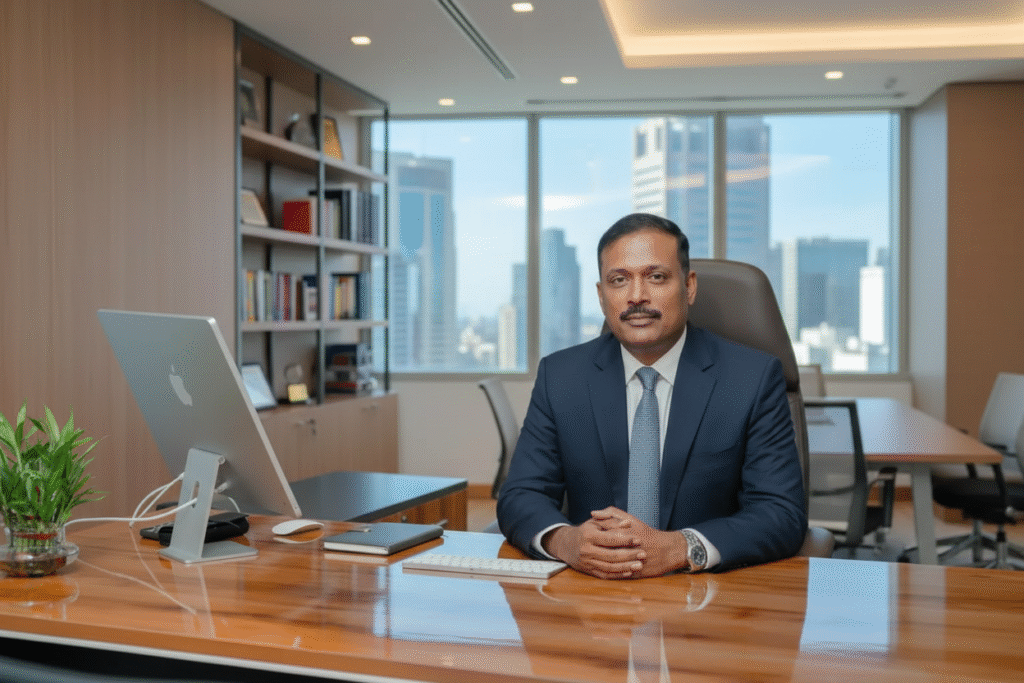
According to Uppalapadu Prathakota Shiva Prasad Reddy, the future of industrial development depends on balancing economic growth with environmental responsibility. Green steel demonstrates how innovation and sustainability can work together to build resilient industries and future-ready infrastructure.
Key Takeaways
- Green steel significantly reduces carbon emissions.
- Green hydrogen and renewable energy are transforming steel production.
- Sustainable steel supports infrastructure and clean energy projects.
- Digital technologies improve production efficiency and resource management.
- India has the potential to become a global leader in green steel manufacturing.
What Is Green Steel Manufacturing?
Green steel refers to steel produced using environmentally sustainable technologies that minimise carbon emissions throughout the manufacturing process.
Unlike conventional steel production, which primarily depends on coal-based blast furnaces, green steel production focuses on cleaner alternatives that reduce environmental impact while maintaining product quality and industrial productivity.
Green steel manufacturing may involve:
- Green hydrogen
- Renewable energy
- Electric Arc Furnaces (EAF)
- Scrap steel recycling
- Carbon Capture, Utilisation and Storage (CCUS)
- Artificial Intelligence
- Industrial IoT
- Energy-efficient production systems
- Circular manufacturing practices
- Digital process optimisation
These technologies help manufacturers reduce emissions while improving operational efficiency.
Traditional Steel Manufacturing vs Green Steel Manufacturing
| Traditional Steel Manufacturing | Green Steel Manufacturing |
| Coal-based production | Green hydrogen and renewable energy |
| High carbon emissions | Significantly lower emissions |
| Fossil fuel dependency | Clean energy integration |
| Linear production model | Circular manufacturing approach |
| Higher environmental impact | Sustainable production practices |
| Conventional monitoring | AI-powered optimisation |
Why Green Steel Matters in 2026
As countries work towards net-zero emissions, steel manufacturers must modernise production methods while remaining globally competitive.
Green steel supports this transition by helping industries:
Reduce Carbon Emissions
Cleaner production technologies reduce greenhouse gas emissions associated with conventional steel manufacturing.
Strengthen Export Competitiveness
International markets increasingly favour sustainable products that meet environmental and ESG standards.
Support Infrastructure Development
Green steel contributes to the construction of sustainable buildings, transportation systems, renewable energy projects, and industrial infrastructure.
Improve Resource Efficiency
Modern production technologies optimise energy consumption, increase recycling, and reduce material waste.
Attract Sustainable Investment
Companies adopting green manufacturing practices are often better positioned to attract investors focused on long-term sustainability.
Technologies Driving Green Steel Manufacturing
Green Hydrogen
Green hydrogen is emerging as one of the most promising alternatives to coal in steel production. By replacing fossil fuels with hydrogen produced from renewable energy, manufacturers can significantly reduce carbon emissions.
Green Hydrogen Infrastructure in India
Renewable Energy
Solar and wind energy increasingly power steel manufacturing facilities, reducing dependence on conventional energy sources while lowering production emissions.
Renewable Energy Development in India
Artificial Intelligence
Artificial Intelligence optimises furnace operations, predicts maintenance requirements, improves production planning, and enhances quality control.
Applications include:
- Energy optimisation
- Predictive maintenance
- Production scheduling
- Quality inspection
- Process automation
Artificial Intelligence in Infrastructure Planning
Carbon Capture, Utilisation and Storage (CCUS)
CCUS technologies capture carbon emissions generated during steel production and either store or reuse them for industrial applications.
Carbon Capture, Utilisation and Storage (CCUS) in India
Industrial Internet of Things (IIoT)
Connected sensors continuously monitor production equipment, energy consumption, emissions, and operational performance.
Industrial Internet of Things (IIoT) in India
Applications of Green Steel
Green steel plays an important role across several industries.
Infrastructure
Low-carbon steel supports sustainable construction of bridges, highways, airports, ports, industrial parks, and smart cities.
Renewable Energy
Wind turbines, solar mounting structures, and battery storage facilities require durable and sustainable steel products.
Automotive
Vehicle manufacturers increasingly use green steel to reduce lifecycle emissions while meeting sustainability goals.
Railways and Transportation
Modern railway infrastructure and metro systems benefit from stronger, lower-carbon construction materials.
Manufacturing
Industrial equipment, machinery, and heavy engineering sectors are adopting sustainable steel to improve environmental performance.
Expert Perspective
According to Uppalapadu Prathakota Shiva Prasad Reddy, Green Steel Manufacturing represents one of the most important opportunities for India’s industrial transformation. By combining renewable energy, green hydrogen, Artificial Intelligence, and responsible manufacturing practices, India can strengthen its global competitiveness while reducing environmental impact.
This vision reflects the commitment of Premidis Group towards innovation, sustainable industrial development, and future-ready manufacturing. Through The Voice Platform, discussions around clean technologies, industrial transformation, infrastructure, and sustainability continue to encourage business leaders to adopt forward-looking solutions that create long-term economic and environmental value.
Conclusion
Green Steel Manufacturing in India is becoming a cornerstone of sustainable industrial development. As demand for cleaner infrastructure and environmentally responsible manufacturing continues to grow, green steel offers a practical pathway towards reducing emissions while supporting economic growth.
Uppalapadu Prathakota Shiva Prasad Reddy believes organisations investing in green manufacturing technologies today will shape the future of India’s industrial economy. By embracing green hydrogen, renewable energy, Artificial Intelligence, and circular manufacturing, India can build a globally competitive steel industry that supports resilient infrastructure and sustainable development for generations to come.